Colon Cancer VS. Colorectal Cancer, What is the Difference
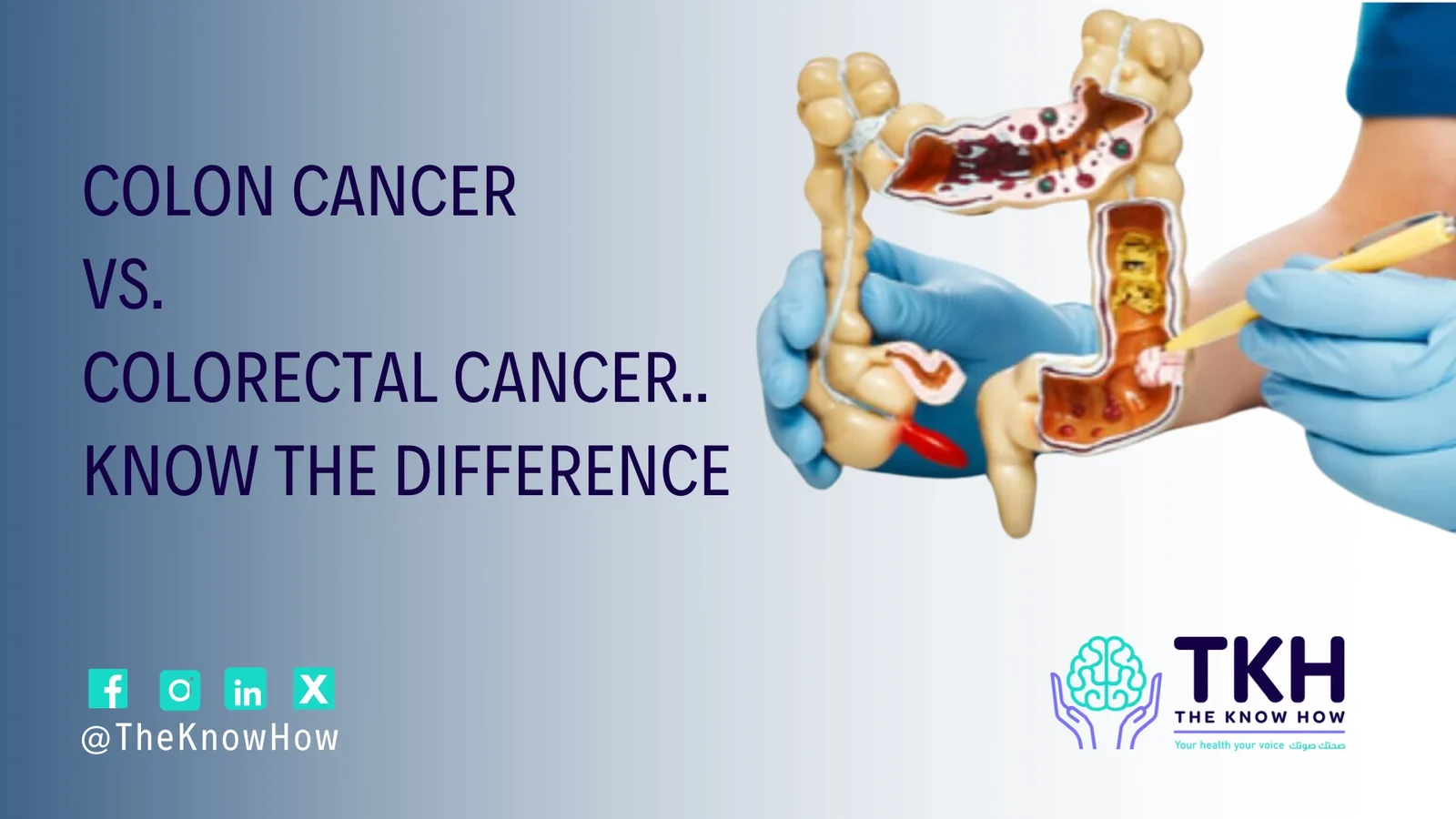
Understanding the difference between colon cancer and colorectal cancer is crucial for accurate diagnosis and treatment. While the terms are often used interchangeably, colon cancer affects the first part of the large intestine, and colorectal cancer refers to tumors in both the colon and rectum, each with unique characteristics. Recognizing these distinctions helps patients and healthcare professionals make better-informed decisions and tailor treatment approaches

By understanding the differences between "colon cancer" and "colorectal cancer.", patients and healthcare professionals can tailor treatment plans.
Theknowhow TKH
Colon vs. Colorectal Cancer: Understanding the Key Differences
It’s essential to distinguish between “colon cancer” and “colorectal cancer.” While these terms are often used interchangeably, they refer to different aspects of the disease. Colorectal cancer encompasses tumors in both the colon and rectum, each with its unique characteristics and treatment considerations. By understanding these nuances, patients and healthcare professionals can tailor treatment plans to each individual’s needs.
Colon vs. Colorectal Cancer: Understanding the Key Differences
- Symptoms of both colon and rectal cancer include bloody feces, constipation, gas pain, bloating, and abdominal discomfort.
- Both cancer types have similar risk factors and genetic abnormalities that drive their growth.
- Screening for both colon and rectal cancer consists of stool testing and endoscopic examination.
Key Differences Between Colon and Rectal Cancer
- Colon cancer occurs in the first and longest region of the large intestine, while rectal cancer starts growing in the last few inches.
- Rectal cancer is more likely to spread outside of its primary location since it is closer to other organs and the rectum lacks a protective outer covering.
- Rectal cancer is more likely to recur locally.
- Rectal cancer cells tend to spread through the circulation and lymph system to the lungs and brain, colon cancer more frequently tends to spread to the liver.
- Patients with cancer low in the rectum are more likely to require a permanent colostomy.
- Both types of cancer require surgery and, depending on the stage, chemotherapy. However, surgical procedures and chemotherapy drug types vary depending on the
This article is for general health information and does not replace advice from your treating physician.